

Although the rose plant might seem very delicate due to the beauty of its flowers, the reality is quite the opposite: it is a very resistant plant that copes well with cold climates and frosts at sub-zero temperatures. It goes dormant in winter to provide us with beautiful blooms in spring and throughout the rest of the year. In warm climates, it produces beautiful flowers all year round, depending on good watering and fertilizing.
How We Should Prune Rose Plants
Roses should be pruned before the plant finishes its “hibernation” state, that is, after the coldest part of spring has passed. In warm climates, it can be pruned at the end of summer, which will give it time to sprout, create new foliage, and produce beautiful flowers before winter.
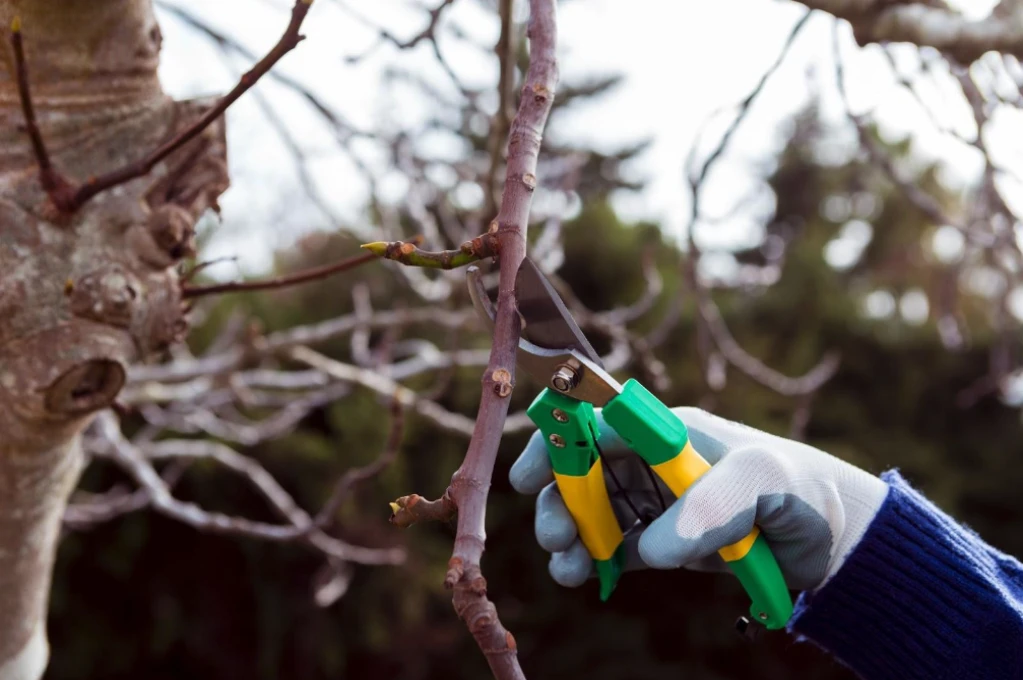
When dealing with a grafted plant, care must be taken to ensure that the “knot”, i.e., the place where the graft was made, remains as close as possible to the substrate. This is to avoid the risk of exposed stems generating branches that are different and produce flowers unlike those of the graft.
The way to cut the branches depends somewhat on the age of the plants; if it is a young plant, they can be cut low, but if it is an older plant, the branches should be left a bit longer. All leaves should be removed, leaving only the chosen trunks that contain buds (buds are small shoots that can be seen with the naked eye, alive and in good condition, as these will be the future branches that will grow and produce flowers).
How to Create New Branches
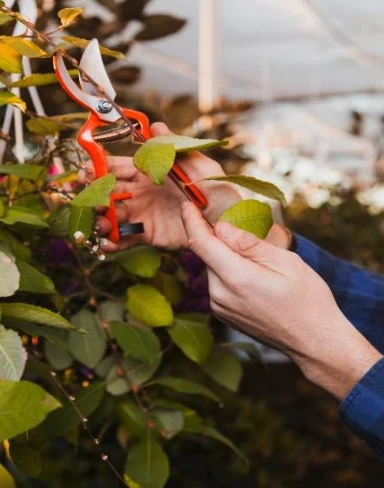
When choosing the buds (a kind of protrusion on the stems that allows for the generation of new shoots) to be left, it’s important to look at the direction in which they will grow; they should grow outwards and not inwards of the plant. It is advisable to remove crossing branches as they will cause the plant to look unsightly and may damage each other.
It is recommended that the shape given to the plant during pruning be “cup” or “vase”-like, that is, more reduced towards the stem and wider towards the upper area. This will favor the future shape of the bush and prevent the branches from crossing.
Cuts should be made at an angle, following the inclination of the bud’s growth, approximately at 45 degrees. This will allow water to slide off and not accumulate on the top of the trunk, preventing the spread of fungi due to moisture.
The distance between the cut and the bud should not be less than one centimeter; otherwise, if it is cut too short, there is a risk of damaging or deteriorating the bud and losing it.
After pruning, it is advisable to apply cinnamon to the cuts to protect the plant from diseases.
How to Differentiate Types of Roses
In the wonderful world of plants, the rose is a mainstay, with more than 30,000 varieties around the world. To differentiate them, here are some types to help you decide which to include in your garden design:
- Hybrid Tea Rose: This is the famous and popular rose. It was created using the best parts of old roses and is one of the most commonly used roses for gifts on special occasions, but it is uncommon in garden design. This rose has been bred for color, fragrance, and high resistance to pests, so it blooms for longer periods and more frequently.
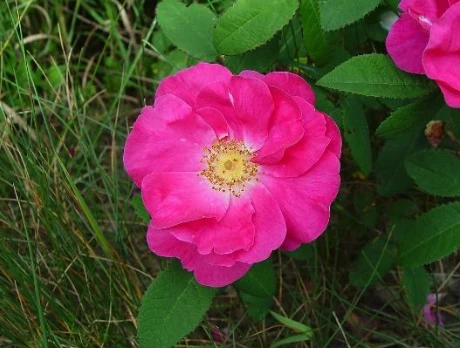
- Rosa Gallica: Known as the French rose, this is an ancient and symbolic species. Its flowers are intense in color and sweet in fragrance, with historical value in gardening. It usually has between 5 and 25 petals.
- Rosa Banksiae: Also known as Banks’ rose, this is a vigorous climbing plant. Its small flowers, with 5 to 15 petals, white or yellow, form spectacular cascades, creating an impressive floral show.
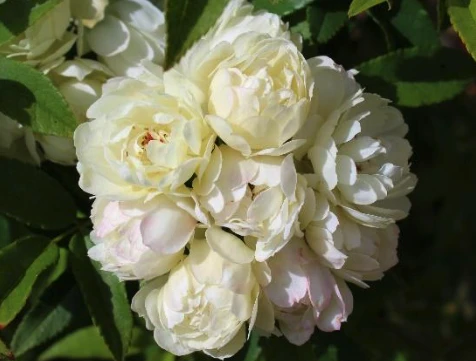
- Tea Rose: With its origins in China, this rose is famous for its large and elegant flowers, with about 30 petals. Tea roses are popular in the production of scented tea and are appreciated for their delicate aroma.
- Rosa Rugosa: Strong and easy to care for, this rose is known for its fruits called “rose hips.” Its flowers are simple (only with 5 petals) but charming, and the plant is robust and resistant to adverse conditions.